
Oud in the Culture of UAE at Home and at Work
Oud in the Culture of UAE at Home and at Work
From the Majlis to the modern boardroom, oud shapes identity, hospitality, and daily life across Dubai, Abu Dhabi, and Sharjah.
Fragrance in the UAE is deeply embedded within the culture, identity, and daily life. Yet oud occupies a place above all other scents. Walk into almost any home, hotel lobby, or office corridor in Dubai, Abu Dhabi, or Sharjah and you will almost certainly encounter its warm, resinous presence before you see anything else. This is deliberate. The burning of Bakhoor to welcome guests is a fundamental act of hospitality, a way to make them feel honored and comfortable. An unspoken rule holds that a guest should not leave a host's home without carrying the scent of their hospitality. For the general audience living in or visiting the UAE, understanding oud's role is the first step to appreciating the culture itself.
According to Market Intelo's oud perfume market report, the global oud perfume market was valued at $4.6 billion in 2025 and is projected to reach $9.1 billion by 2034, expanding at a CAGR of 7.9%. This means the scent you encounter in a Dubai Majlis today sits at the center of one of the fastest-growing luxury fragrance categories on earth. Pay attention to it accordingly.

Key Takeaways
-
Oud is a cultural identity marker: Oud is more than just a scent; it is a whole culture, and there is no place that appreciates oud like the UAE. Understanding this changes how you engage with Emirati hosts, colleagues, and partners.
-
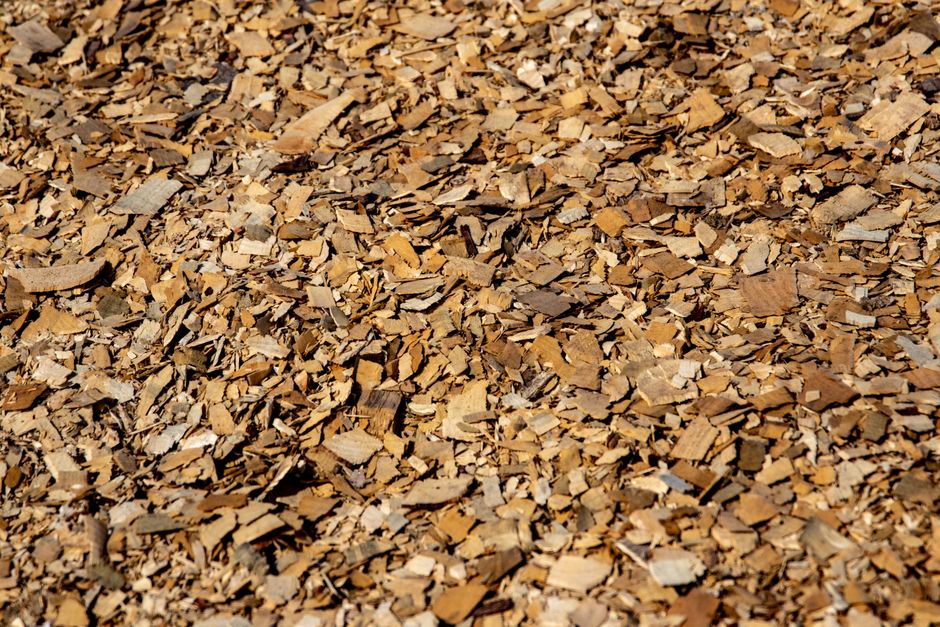
Bakhoor is the hospitality standard: Bakhoor is scented wood chips - traditionally agarwood (oud), soaked in fragrant oils and resins, then burned over hot charcoal to perfume a room, clothing, and hair. Across the Gulf, burning it is a daily ritual of hospitality rather than simply a home fragrance.
-
The market is surging, and the UAE leads it: According to Future Market Insights' GCC Oud Fragrances analysis, the GCC oud fragrances market is projected to rise from $439.8 million in 2026 to $949.5 million by 2036 at an 8.0% CAGR. If you live, work, or do business in the UAE, fluency with oud culture is increasingly a practical advantage.
-
Oud at work carries real meaning: Bakhoor represents hospitality when guests arrive at home or the office. Burning bakhoor represents a cultural ritual that lifts the mood of guests and makes them feel welcomed in any space.
-
Wellness benefits are measurable: Scientific research reveals that oud essential oil contains aromatic compounds that decrease the production of cortisol in human bodies, making it genuinely useful for stress management in both home and professional settings.
Quick-Start Prioritization Framework
| Oud Format | Best For | Effort Level | Time to Results |
|---|---|---|---|
| Incense sticks | Home, office daily use, beginners | Low | Immediate |
| Bakhoor (chips) | Majlis, guest occasions, ceremonies | Medium | 10-15 min setup |
| Oud oil (Attar) | Personal wear, gifting, special events | Low | Immediate |
| Electric burner + Dukhoon tablets | Office-safe, smoke-sensitive environments | Low | Immediate |
| Raw oud wood chips | Deep cultural rituals, connoisseurs | High | Requires charcoal expertise |
Start here if you are:
-
A resident new to oud: Incense sticks are the fastest entry point, low smoke, consistent scent, no charcoal required. Brands like Oud Saray offer premium incense sticks inspired by authentic UAE fragrance culture, available online with delivery across Dubai, Abu Dhabi, and Sharjah.
-
Hosting guests at home: Prepare a traditional Mabkhara with Bakhoor chips at least 20 minutes before guests arrive, following the Emirati custom of scenting the Majlis in advance.
-
Bringing oud into a workplace: Use an electric burner with Dukhoon tablets or a discreet oud-scented diffuser, these release fragrance without heavy smoke, respecting shared air-conditioned office environments.
What Oud Is and Why It Costs More Than Gold by the Kilo
The Aquilaria Tree and the Rarity of Agarwood
Derived from the resinous heartwood of the Aquilaria tree, oud oil has enchanted the Middle East for centuries and made a profound impact on the fragrance industry. The process that creates it is entirely accidental: when this tree is infected by a specific fungus, it produces a dark resinous hardwood known as agarwood or oud wood. This biological defense mechanism is what produces the fragrance compound. The critical detail for anyone purchasing oud is this: only seven out of 100 Aquilaria trees produce oud, and it may take decades for a tree to harvest a good amount of oud. Therefore, when you encounter a very cheap "oud" product, treat it with skepticism, genuine agarwood is extraordinarily rare and priced accordingly.
How Oud Traveled to the UAE
Historically, oud was exchanged along ancient trade routes, making its way to the Middle East where it became a huge part of the region's cultural heritage. The UAE's geographic position made it a natural crossroads. The history of perfume in the region is as old as the trade routes that crisscrossed the Arabian Peninsula. The UAE, strategically located on ancient trade paths, was a hub for the exchange of incense, spices, and precious woods from India, Africa, and beyond. This is why, today, Dubai is considered the oud capital of the world, the material is bought and sold here on a huge scale. For anyone sourcing premium incense in Sharjah's souks or ordering online in Abu Dhabi, that heritage of trade and connoisseurship remains alive in every transaction.
Pro Tip: When selecting oud incense, note the origin. Indian (Hindi) oud tends toward a deep, woody richness. Cambodian oud carries sweeter, more floral notes. Asking about origins is standard practice in UAE fragrance shops and signals genuine interest, something Emirati sellers appreciate.
Oud at Home: The Language of Welcome
The Majlis and the Mabkhara
In Arabic, majlis means "sitting place" or "council." Traditionally, it was a tented meeting spot where guests were welcomed with coffee and conversation before important discussions. These gatherings have been part of Emirati life for centuries, and today, many homes still have a majlis to host visitors. The UNESCO Representative List of the Intangible Cultural Heritage of Humanity added Majlis in 2015, recognizing its irreplaceable role in Gulf social life. Oud and Bakhoor are inseparable from this space.
Emirati households ensure the Majlis is kept tidy and prepared at all times to receive guests at any hour. It is also perfumed with incense of oud to welcome guests, who are invited to sit in places of honour within the room. The Mabkhara, the traditional incense burner, is central to this ritual. Before guests arrive, hosts burn bakhoor burns bakhoor and walks the Mabkhara through the home. By the time the guest is seated, the entire space carries the scent of bakhoor. The guest is then offered the burner so the bakhoor smoke can perfume their clothes and hair. This gesture of sharing fragrance is one of the oldest expressions of generosity in Arab culture.
When Oud Is Burned and Why
A house is perfumed with Bakhoor before and after guests arrive, for weddings, religious holidays like Eid, and to celebrate the birth of a child. Before guests arrive, hosts burn bakhoor prayers and during Eid celebrations, following the long tradition of using fragrance for important occasions. In practical terms, this means oud is present at virtually every significant life moment in the UAE. Despite the globalization of perfume trends, the UAE's fragrance culture remains distinctive because scent continues to carry deep emotional significance. Perfume is closely tied to memory, prayer, celebration, and the idea of home.
If you share a home or apartment with Emirati neighbors or colleagues across Dubai, Abu Dhabi, or Sharjah, recognizing the fragrance of oud or bakhoor drifting from a neighboring home is recognizing an act of meaning, not merely air freshening.
Understanding the Different Forms of Oud
Oud Wood, Bakhoor, Dukhoon, and Incense Sticks Explained
Oud is the raw aromatic material: resin-saturated agarwood from the Aquilaria tree, the source of the fragrance that bakhoor and incense are both derived from. It can be used as raw wood chips, extracted oil (attar), in bakhoor blends, in incense cones, or in perfumery.
Bakhoor takes oud further. To create Bakhoor, chips of oud or other woods like sandalwood are soaked in a mixture of natural perfumes, such as rose, saffron, amber, and musk, along with essential oils and sometimes a touch of honey or other sweeteners. This mixture is then aged, sometimes for months or even years, to allow the scents to meld and mature into a harmonious blend.
Dukhoon is a tablet or powder form. Dukhoon is a form of incense (bakhoor) made with a blend of oud powder, spices, and essential oils that is shaped into tablets. It is widely popular across UAE homes and offices because it dissolves cleanly on an electric burner without requiring loose charcoal. For residents across Sharjah looking for a practical everyday option that retains tradition, Dukhoon tablets are an ideal starting point.
Oud incense sticks represent the most accessible modern format. Oud compounds formulated into a self-combusting form as cones or sticks light once and burn to completion. No burner or charcoal is required, only a heat-safe holder. Premium oud incense sticks from culturally grounded brands like Oud Saray bring authentic UAE fragrance culture into a format that suits contemporary homes and offices across Dubai, Abu Dhabi, and Sharjah, with convenient online ordering for home delivery.
Pro Tip: For shared living spaces and offices, incense sticks and electric Dukhoon burners are the most considerate formats. They release controlled amounts of fragrance without heavy smoke, which matters in fully air-conditioned UAE interiors. Open a window slightly after burning to allow the scent to distribute evenly rather than concentrate.
Oud at Work: Fragrance in the UAE Professional Environment
Scent as a Business Signal
In the UAE, fragrance at work carries a significance that may surprise those from Western professional environments. On a personal level, wearing a distinct, high-quality fragrance signals good hygiene, sophistication, and social standing. This cultural norm extends directly into the office. Deeply rooted in Arab tradition bakhoor has become more than just a fragrance; it is a cultural symbol of hospitality, warmth, and elegance. In the UAE, bakhoor is used daily in homes, offices, mosques, and even inside cars.
For businesses operating in Dubai, Abu Dhabi, or Sharjah, this creates a practical consideration. A corporate reception area scented with oud creates an immediate, culturally resonant signal of welcome. According to a Harvard study cited by scent marketing professionals, we remember 35% of what we smell compared to only 5% of what we see. Therefore, if your business hosts Emirati clients and your reception smells of generic cleaning products instead of the warmth of oud or amber, you are missing an opportunity to create a lasting, culturally authentic first impression.
How Luxury Hotels and Spas Use Oud
Luxury hotels in Dubai and Abu Dhabi Dhabi use fragrance as a branding tool, a silent way to express personality and memory. Guests may forget the pattern of the carpet, but they remember how the air felt: warm, elegant, and welcoming. Luxury hotels in Dubai and Abu Dhabi and Abu Dhabi feature oud, white musk, amber, and rose, ingredients deeply rooted in Arabic perfumery.
Spas across the UAE have taken this further. Luxury hotels and spas in Dubai often provide aromatherapy services that draw on local scents, making visitors feel connected to the city's culture. The air in many five-star lobbies is lightly fragranced with oud or rose, setting a serene mood. For partner spas and floral gift stores stocking Oud Saray products, this connection between scent and guest experience is not simply aesthetic; it is a commercial tool that reinforces brand loyalty and cultural authenticity simultaneously.
Pro Tip: Businesses welcoming Emirati guests for the first time should consider burning a mild oud incense stick or using an oud-infused room spray in the reception area 30 minutes before the meeting. The gesture communicates cultural awareness without requiring any words.

The Wellness Dimension of Oud
Why Oud Calms the Mind
The wellness benefits of oud are supported by science, not just tradition. Agarwood essential oil, when used in aromatherapy, helps to treat anxiety, stress, depression, and other nervous system disorders. Inhaling the rich, woody aroma of oud can trigger relaxation responses, potentially helping to reduce stress and pain perception.
Oud oil is often used in aromatherapy to encourage restful sleep, offering relief for those who struggle with insomnia. The warm, woody scent of oud acts as a natural antidepressant, lifting spirits and enhancing emotional balance. For residents of high-pace urban environments like Dubai and Abu Dhabi, where professional stress is a daily reality, incorporating oud incense into an evening routine is a culturally grounded, evidence-backed self-care practice.
Research published via PubMed Central research on aromatherapy and autonomic nervous system regulation confirms that regular exposure to aromatic scents can increase parasympathetic nervous system activity, the body's "rest and restore" mode. Therefore, burning a premium oud incense stick for 20 minutes before sleep is a practice with both cultural heritage and measurable physiological benefit behind it.
Spiritual and Meditative Uses
Oud and silk were once reserved for royalty and the wealthy, and oud also carries spiritual significance, having become part of Friday prayer rituals. Traditionally, oud has been used in mosques where incense chips are burned, letting out strong scents that can be easily recognized from afar. This spiritual dimension shapes how UAE residents use oud at home, not simply as air freshener, but as a tool for mental and spiritual preparation.
Common Mistakes to Avoid with Oud
Using Too Much in Small Spaces
Oud is a powerful fragrance designed for the generous volumes of traditional Emirati architecture. In smaller modern apartments across Dubai and Sharjah, burning a full Bakhoor block can overwhelm the senses. Start with a single incense stick or a small amount of Dukhoon tablet, assess the intensity after ten minutes, then adjust. Less is almost always more in enclosed, air-conditioned spaces.
Choosing Low-Quality Products
The type of Bakhoor used can be a marker of status and personal taste. The quality of the oud, the complexity of the blend, and the age of the Bakhoor are all noted by connoisseurs. A host offering a rare, high-quality Bakhoor is extending a gesture of great respect and generosity to their guests. Purchasing synthetic or adulterated oud undermines the cultural significance of the gesture. Invest in premium, naturally sourced products, your guests will notice.
Ignoring Ventilation
Burning incense sticks at home could be as harmful to the lungs as cigarette smoke in enclosed conditions, a study has found. This does not mean avoiding oud; it means burning it responsibly. Open a window or ensure air circulation during and after use, particularly in households with young children, elderly residents, or anyone with respiratory sensitivities. The goal is an ambient fragrance, not a smoke-filled room.
Frequently Asked Questions
What is oud and why is it called "liquid gold"?
Oud is one of the most precious and expensive ingredients in the fragrance industry. Its use dates back to ancient times, where it was revered for its beautiful scent as well as cultural and medicinal significance. The "liquid gold" nickname reflects that high-grade oud oil can exceed the price of gold by weight, driven by the rarity of the resin and the decades it may take to harvest.
What is the difference between oud, Bakhoor, and Dukhoon?
Oud is the raw agarwood resin, the source ingredient. Bakhoor is a crafted blend of oud chips soaked in perfumed oils and aged before burning. Dukhoon is a form of incense made with a blend of oud powder, spices, and essential oils shaped into tablets, convenient for electric burners. Incense sticks infuse oud compounds into a self-combusting stick, requiring only a holder and a match.
Is it appropriate to burn oud or Bakhoor in an office in Dubai?
Yes, with consideration. Bakhoor is used in homes, offices and even in vehicles to maintain a pleasant scent. In shared workplaces, prefer low-smoke formats like oud incense sticks, Dukhoon tablets on an electric burner, or an oud-based diffuser. Avoid burning full Bakhoor chips in enclosed meeting rooms. Always check with colleagues who share the space.
Where can I buy authentic oud incense in Dubai, Abu Dhabi, and Sharjah?
Dubai, Abu Dhabi, and Sharjah are home to numerous oud shops that offer a wide range of incense products. Traditional souks in each emirate carry a wide variety of authentic products, as do luxury department stores. Online platforms including Oud Saray deliver premium, culturally authentic UAE-inspired incense sticks and fragrance products directly to your door across all three emirates, as well as through select floral gift stores and partner spas.
How do I use oud incense correctly for the first time?
Start with an incense stick for simplicity. Place it in a heat-safe holder on a stable surface away from fabrics or flammable materials. Light the tip, allow it to flame for a few seconds, then gently blow out the flame, leaving the glowing ember. Allow the fragrance to build in the room for 10 to 15 minutes before deciding whether to let it burn fully or extinguish it. Ensure the room has some air circulation.
Oud culture in the UAE rewards curiosity. The more you understand about the traditions behind this extraordinary fragrance, the richer every social interaction in Dubai, Abu Dhabi, and Sharjah becomes. Whether you are preparing your home Majlis for guests, selecting a premium gift for an Emirati colleague, or simply introducing a meaningful daily ritual into your routine, oud is the scent at the center of it all.
Find premium UAE-inspired incense sticks and oud fragrance products at Oud Saray, available for online delivery across Dubai, Abu Dhabi, and Sharjah, and stocked in select partner spas and floral gift stores throughout the UAE.

Sources
-
History of Oud and Best Perfume Stores in the UAE, Visit Ras Al Khaimah. Overview of oud origins and UAE fragrance culture. https://visitrasalkhaimah.com/blog/history-of-oud-and-best-perfume-stores-in-the-uae/
-
Why the UAE Is the World's Perfume Capital, Gulf News, May 2026. UAE fragrance heritage and cultural identity. https://gulfnews.com/uae/why-the-uae-is-the-worlds-perfume-capital-inside-its-rich-oud-and-scent-heritage-1.500554332
-
Oud: Scent of Timeless Traditions, Google Arts & Culture / Al Shindagha Museum. Emirati perfumery and oud history. https://artsandculture.google.com/story/oud-scent-of-timeless-traditions-al-shindagha-museum/BAUBVsjSO5CULQ
-
The History and Meaning of Oud in the Middle East, Emirates Woman. Expert interviews on oud's cultural significance. https://emirateswoman.com/history-and-meaning-of-oud-in-the-middle-east/
-
Scents of Identity: The Cultural Significance of Emirati Perfumes and Oud, UAE History and Culture. Deep-dive on oud as a social and cultural marker. https://fashion.uaehistoryandculture.com/scents-of-identity-the-cultural-significance-of-emirati-perfumes-and-oud/
-
Bakhoor, Oud and Incense Cones: What is the Difference?, NUHR Home. Practical guide to oud product formats. https://nuhrhome.com/en-us/blogs/news/difference-between-bakhoor-oud-incense
-
What Is Bakhoor? A Complete Guide, The Scent Library. Arabian incense traditions and usage guide. https://www.scentlibraryofficial.com/blogs/news/what-is-bakhoor
-
Majlis, Culture and Tradition, Visit Abu Dhabi (official tourism authority). https://visitabudhabi.ae/en/plan-your-trip/culture-and-traditions/majlis
-
Emirati Hospitality Section, Abu Dhabi Department of Culture and Tourism (official PDF). https://adtt.dct.gov.ae/wp-content/uploads/2022/08/Section-7-Emirati-Hospitality.pdf
-
GCC Oud Fragrances Market Forecast 2026-2036, Future Market Insights. https://www.futuremarketinsights.com/reports/gcc-oud-fragrances-market
-
Global Oud Perfume Market Research Report, Market Intelo, June 2026. Market Intelo's oud perfume market report
-
The Healing Power of Oud: Aromatherapy Benefits, The Noble Aroma, March 2025. https://thenoblearoma.substack.com/p/the-healing-power-of-oud-aromatherapy
-
Aromatherapy Benefits Autonomic Nervous System Regulation, PubMed Central / NCBI. Peer-reviewed research on scent and nervous system. PubMed Central research on aromatherapy and autonomic nervous system regulation
-
Scent Marketing in Dubai: Boosting Guest Experience, Maison 21G, 2026. https://www.maison21g.com/articles/scent-marketing-boosting-guest-experience-in-dubais-and-the-middle-east-hospitality-industry
-
The Secret of Luxury Hotel Scents in Dubai and Abu Dhabi, Leuxscent, October 2025. Luxury hotels in Dubai and Abu Dhabi
-
Beware of Burning Incense at Home, UAE Doctors Warn, The National. Responsible use guidance from medical professionals. https://www.thenationalnews.com/uae/health/beware-of-burning-incense-at-home-uae-doctors-warn-1.477834
-
Dukhoon Incense Collection, Swiss Arabian UAE. Product reference for Dukhoon tablet format. https://uae.swissarabian.com/collections/dukhoon-incense
-
The Meaning Behind the Fragrance: A Guide to Emirati Bakhoor, UAE History and Culture, December 2025. https://traditions.uaehistoryandculture.com/the-meaning-behind-the-fragrance-a-guide-to-emirati-bakhoor/